Custom Display Integration & Optical Bonding for Industrial HMI
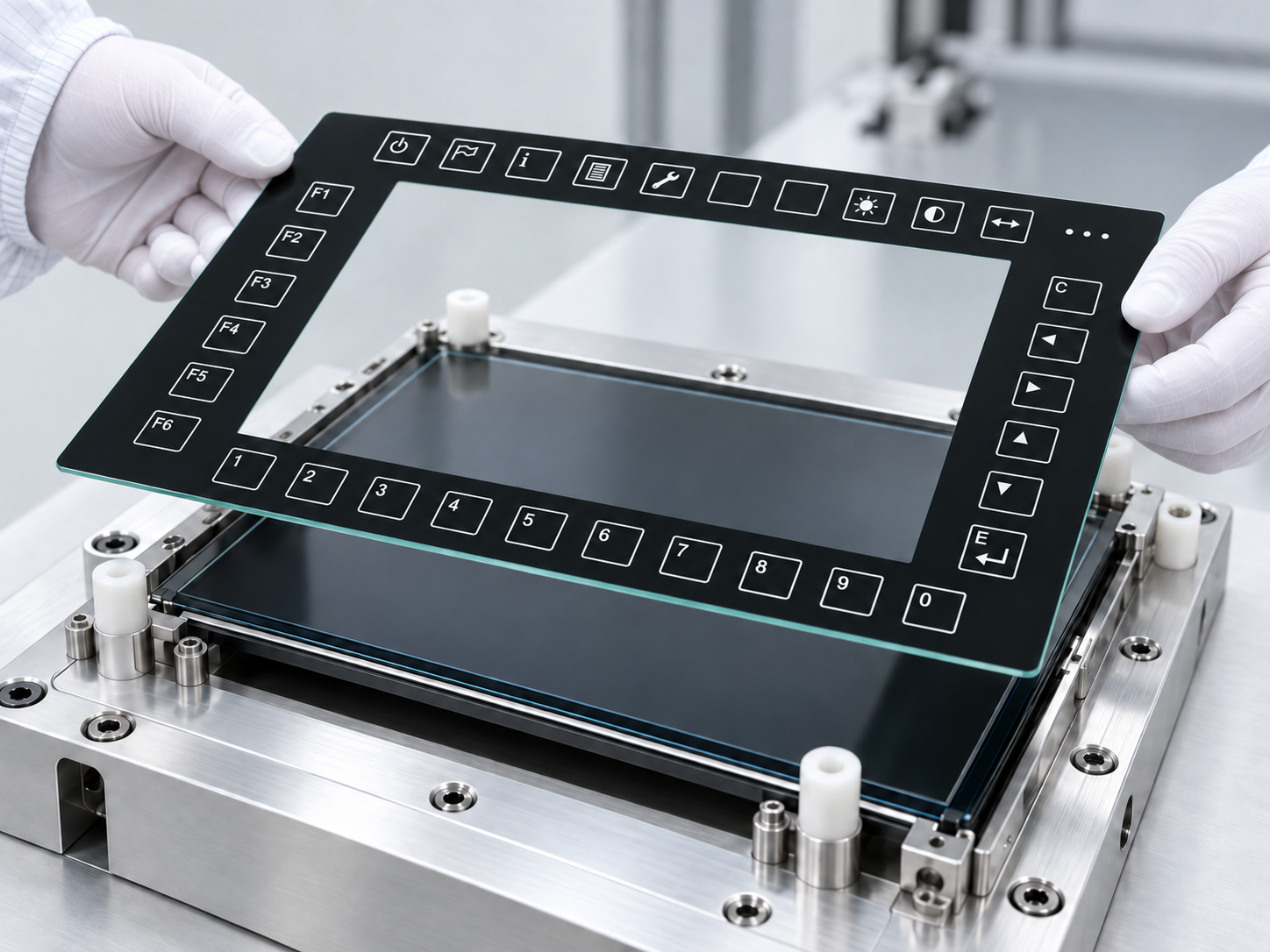
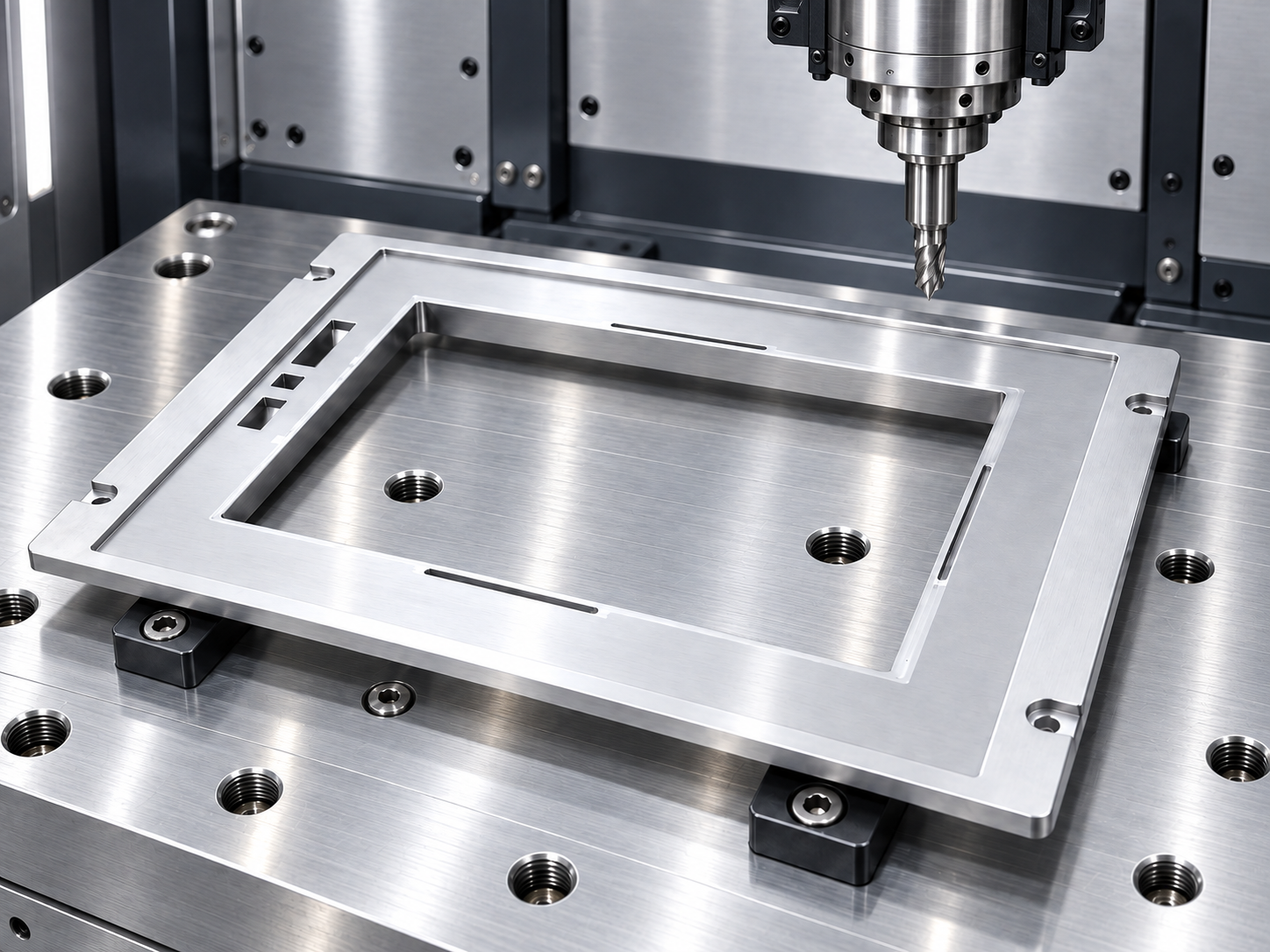
Custom display integration connects your initial design to a tested HMI assembly. We bring together engineering, component sourcing, metal enclosure manufacturing, OCA optical bonding, assembly and testing.
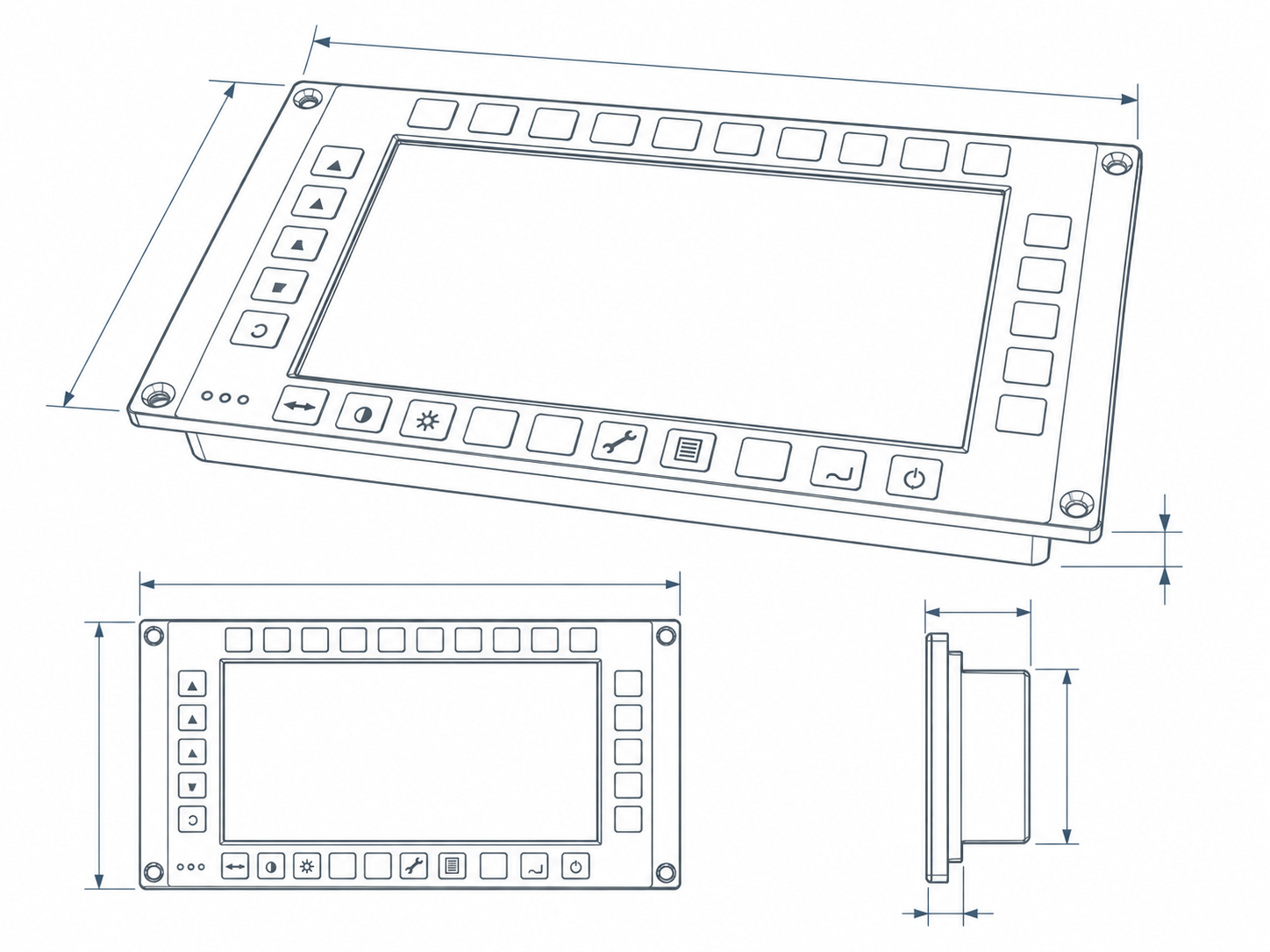
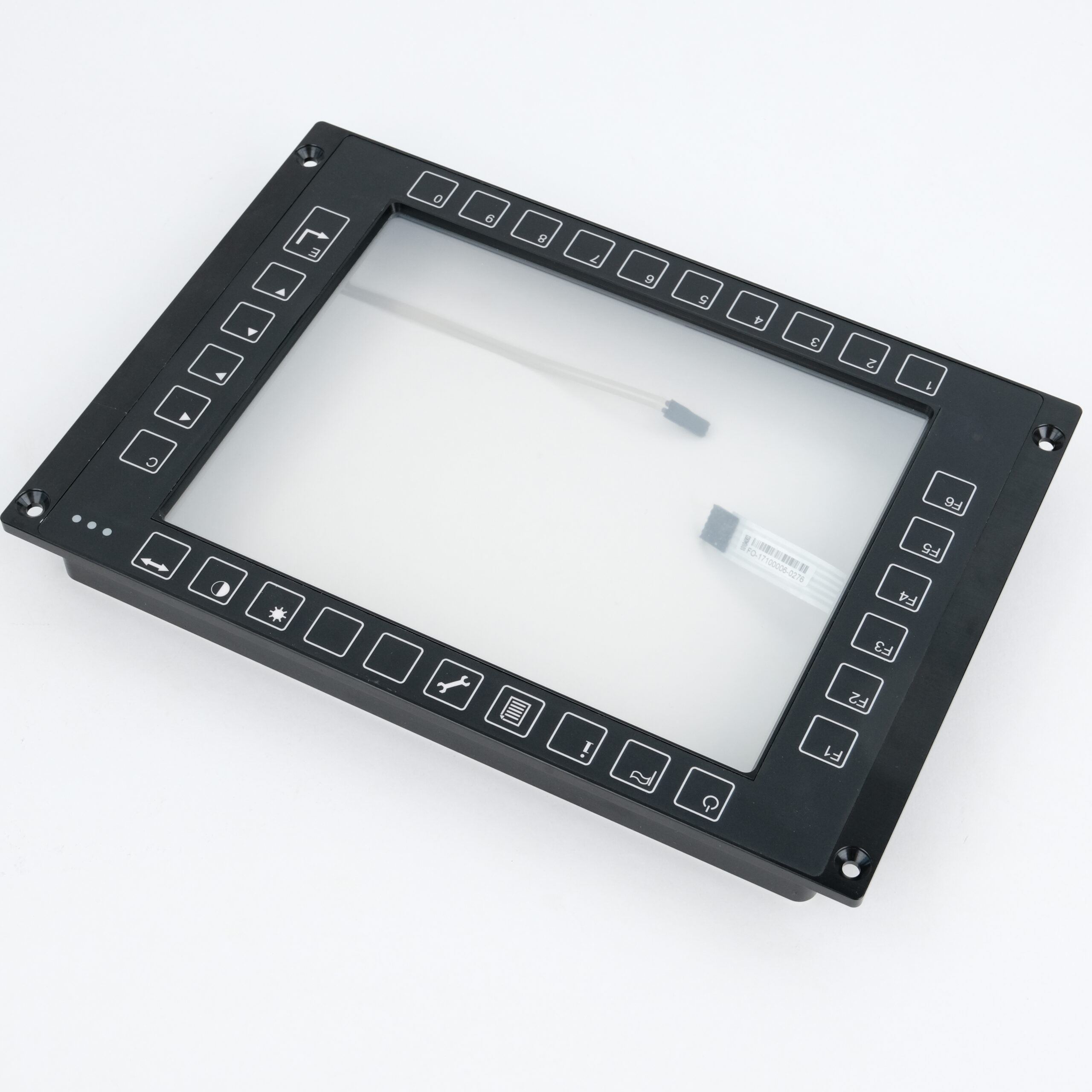
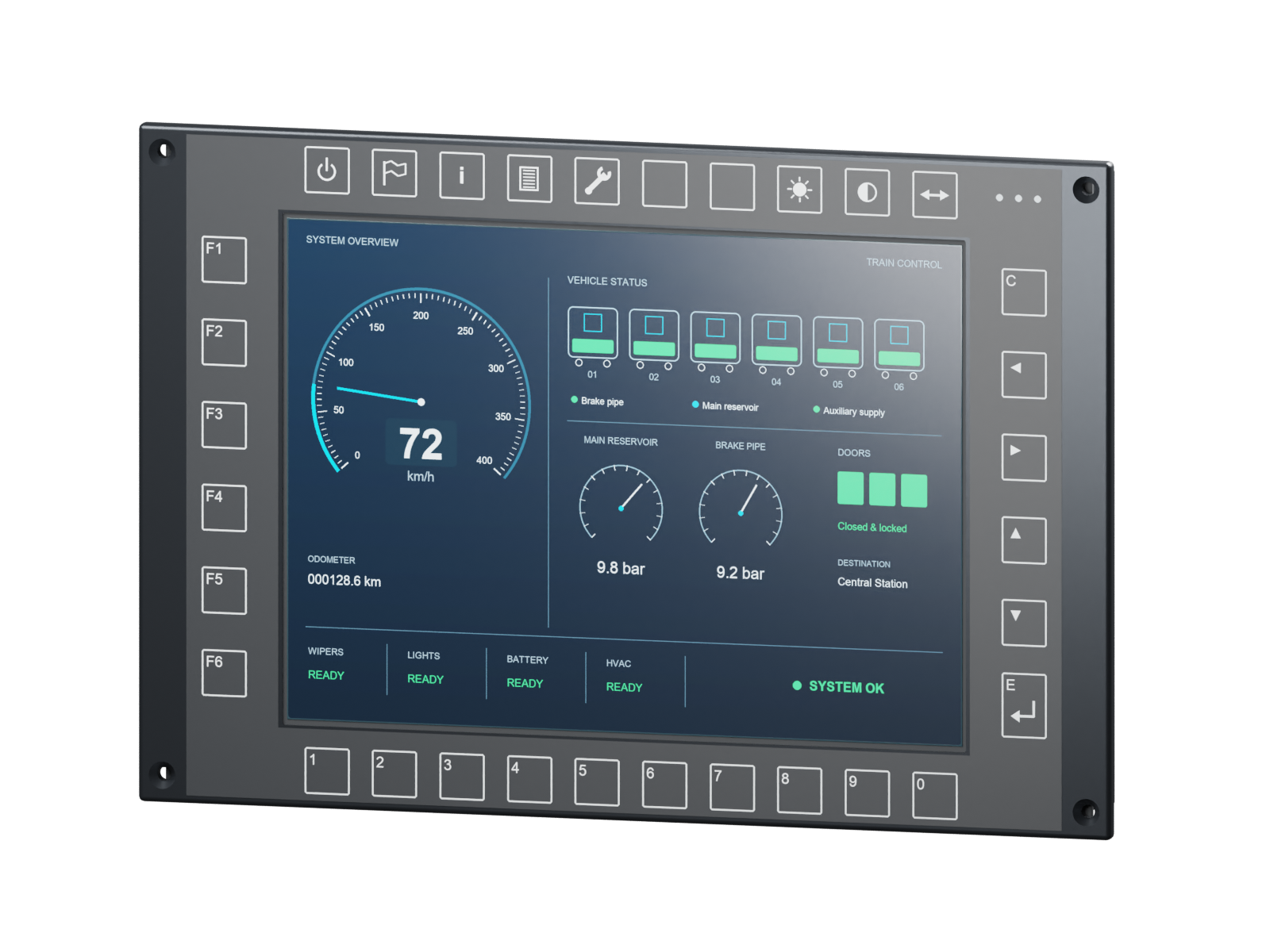
Illustrative assembly. Dimensions, interfaces and performance requirements are defined for each project.
EXPLORE THE ASSEMBLY
INTERACTIVE 3D
Drag a part to move along the assembly axis. Drag the background to rotate. Scroll or pinch to zoom. Use Explode to explore each layer.
FROM YOUR BRIEF TO AN INTEGRATED HMI
Your concept. Our engineering. A complete HMI.
Four connected stages align your requirements, engineering design, component choices and final assembly.
01 / YOU PROVIDE
Requirements & Sketches
Start with your application, a concept sketch or an existing drawing. We turn these inputs into a clear project brief.
Mechanical inputs Panel opening, mounting points, installation space and enclosure constraints.
Functional targets Display size, touch or keypad operation, interfaces and operating environment.
02 / WE DESIGN
Engineering Design
Develop the mechanical and electrical layout around the intended user interface and installation envelope.
Structure & layout Front frame, key positions, fixing points, clearances and component alignment.
Design review Optical stack, cable routing, assembly sequence and manufacturability.
03 / WE SELECT
Component Selection
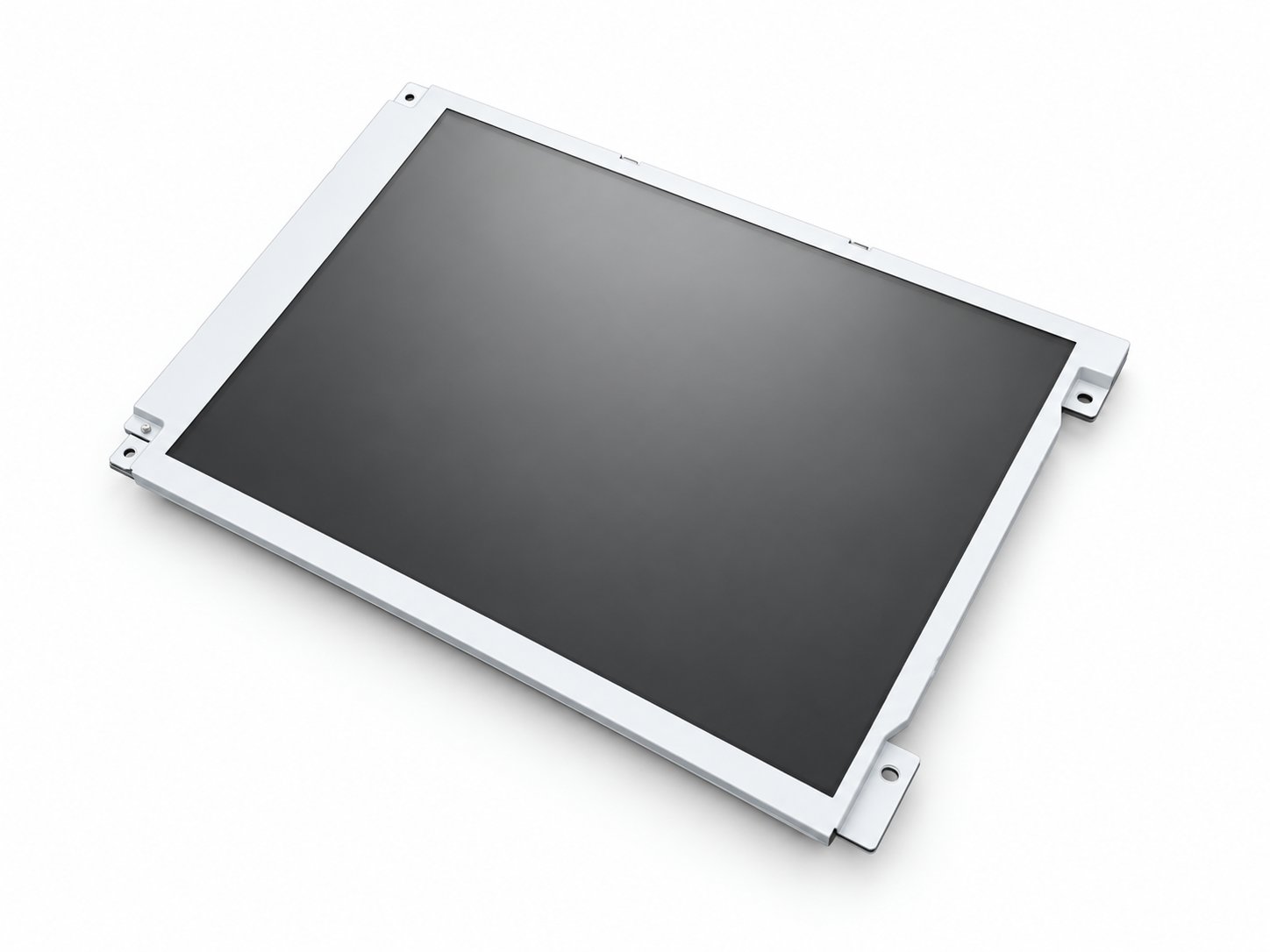
LCD display
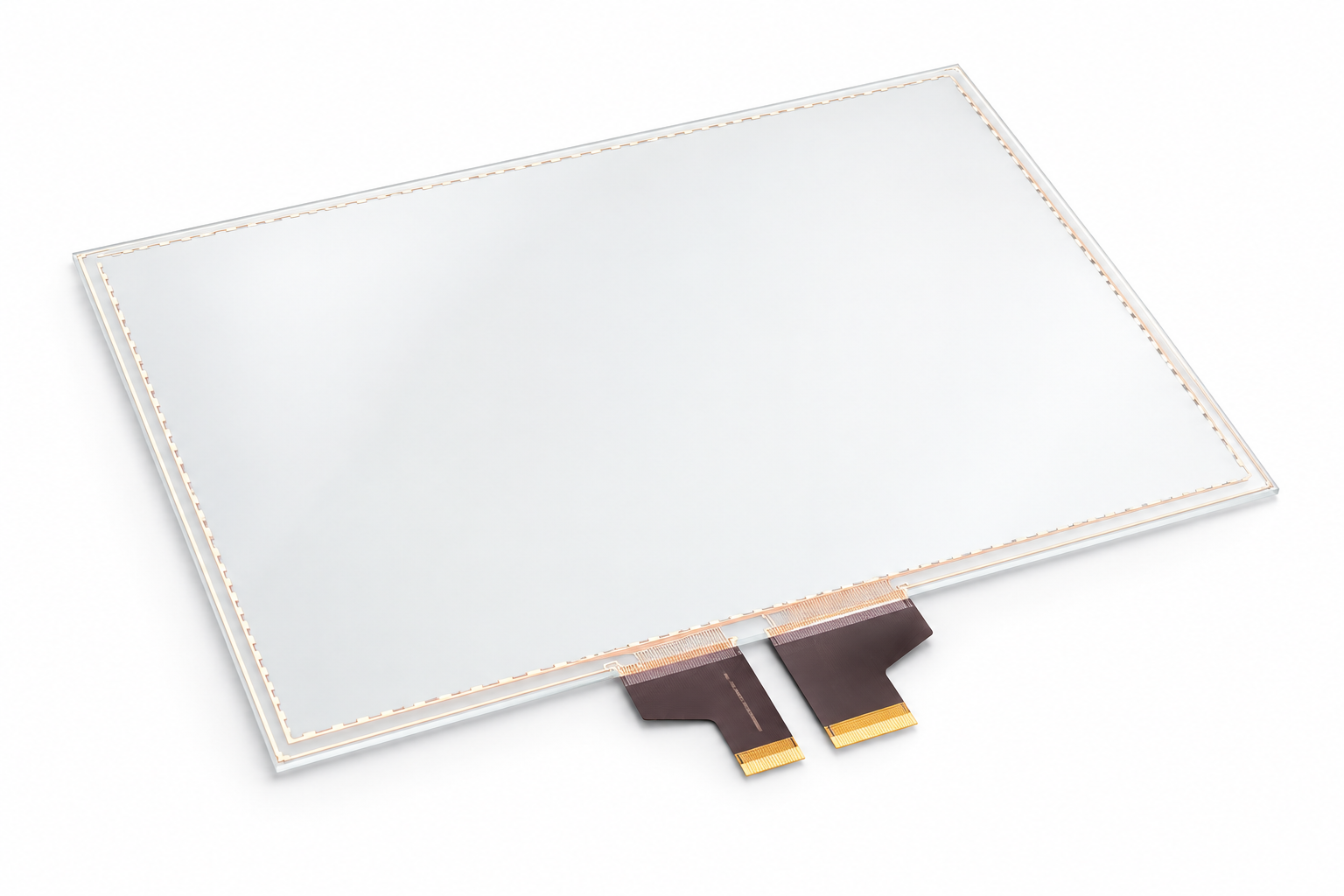
Touch panel (TP)
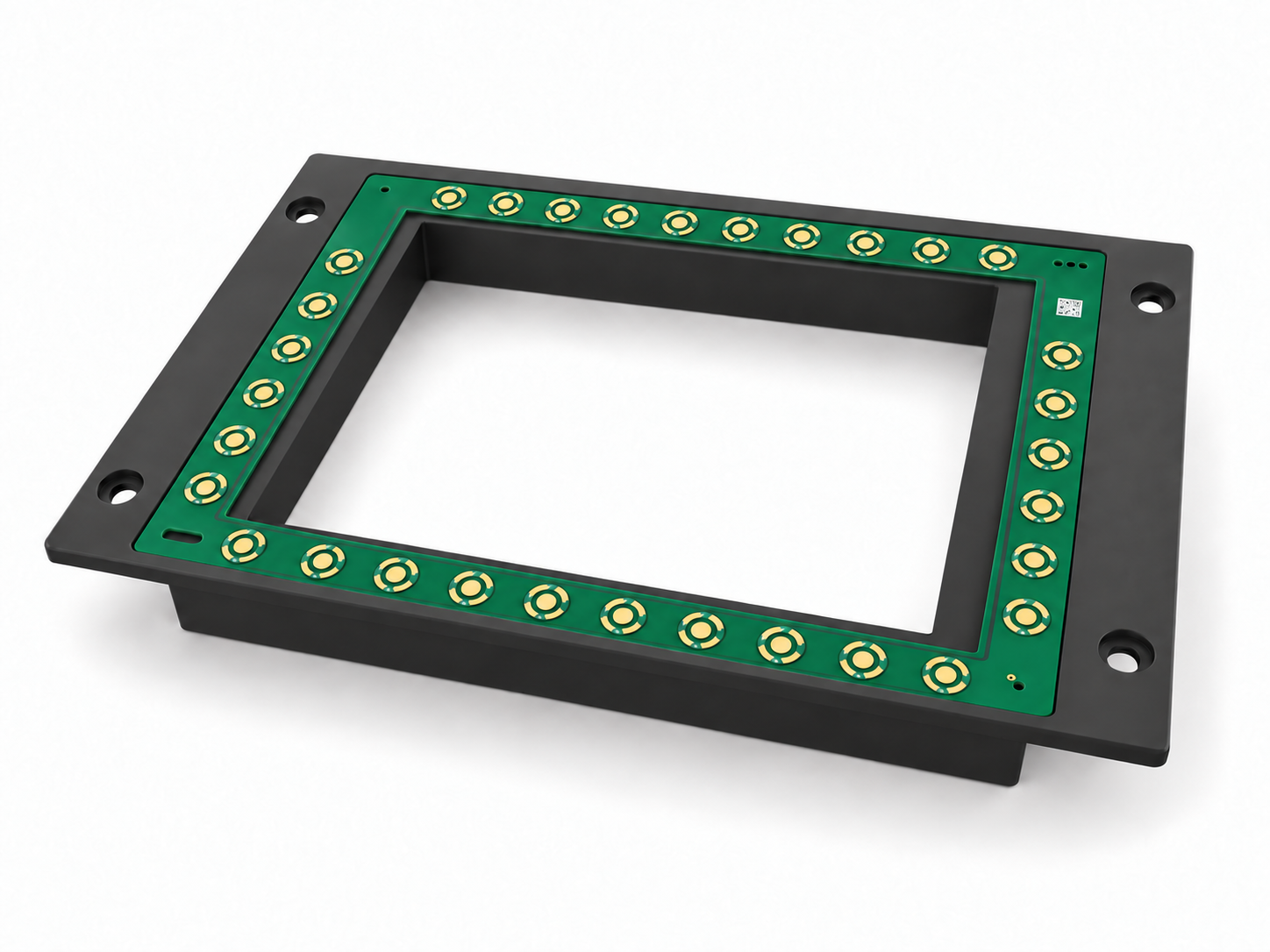
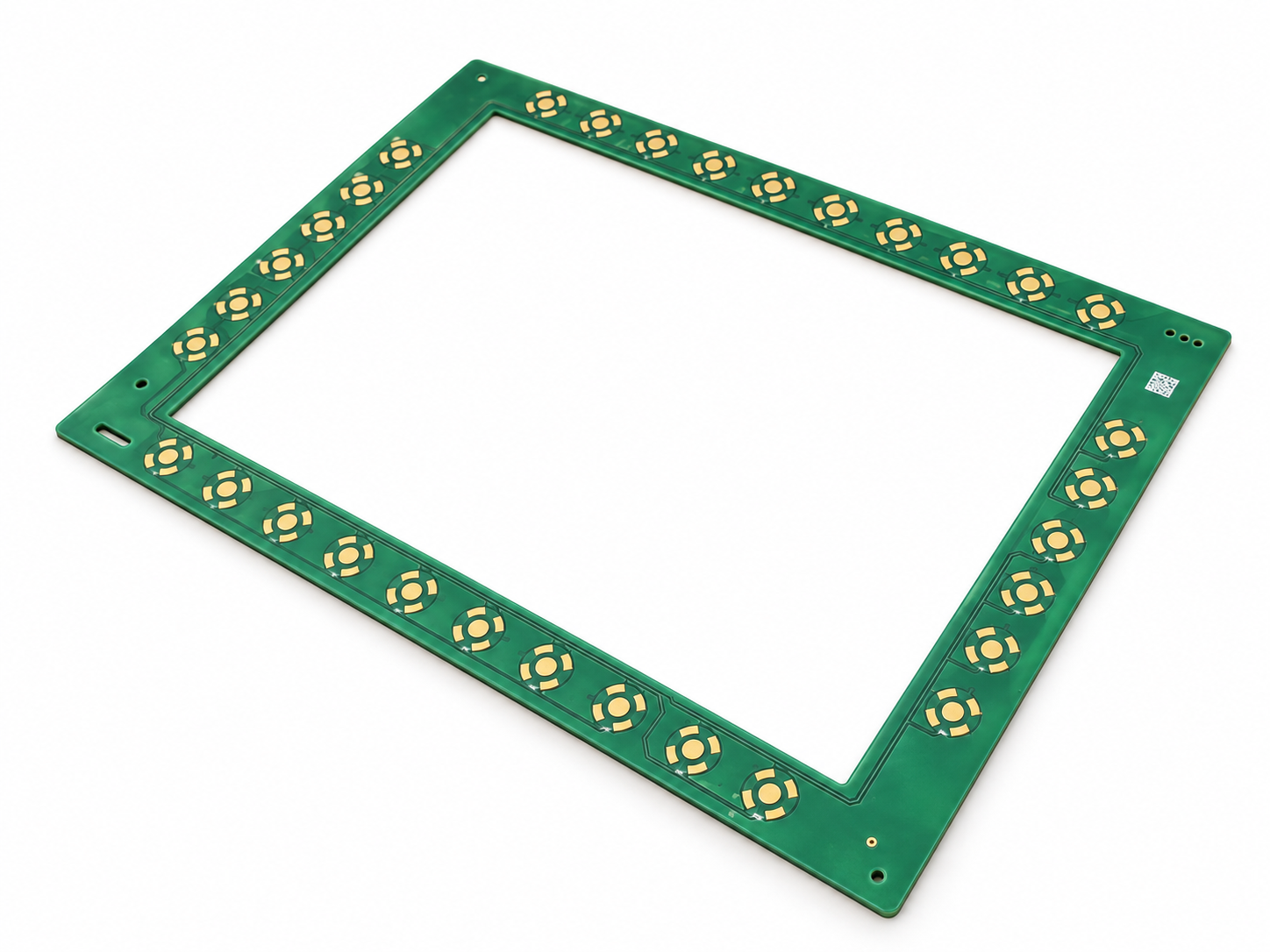
Keypad PCBA
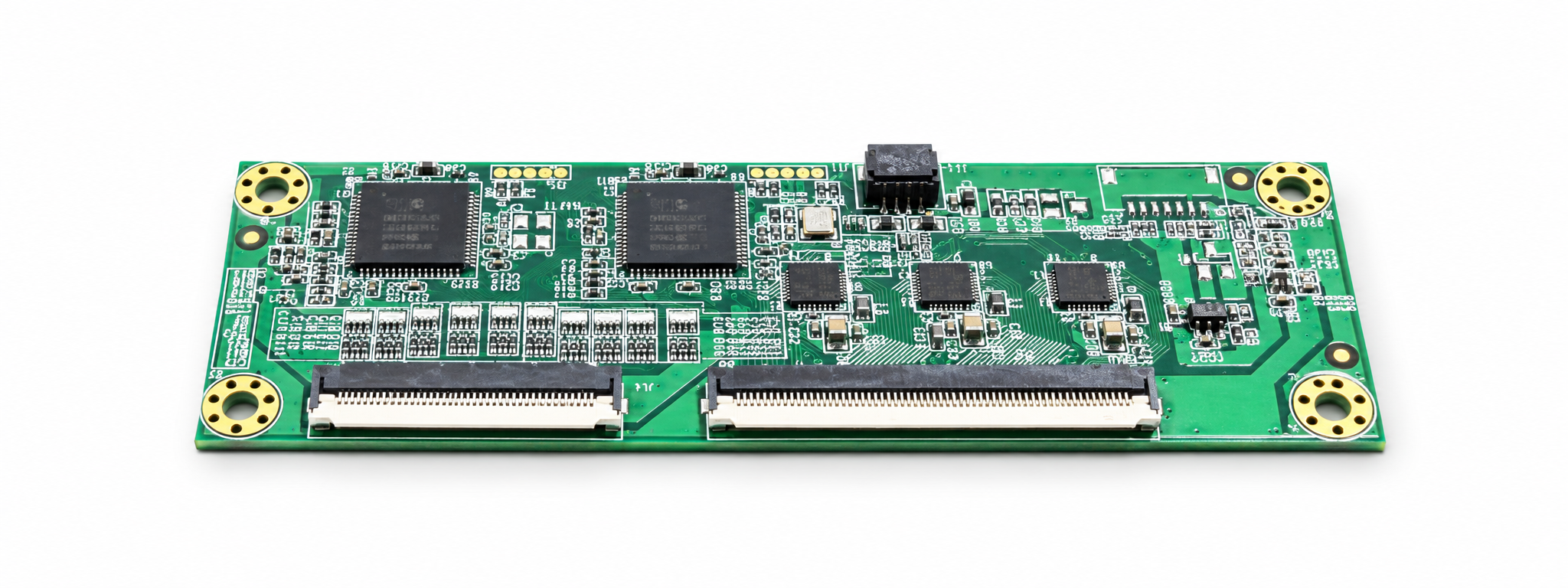
Touch controller
Match the display, touch panel, keypad electronics and controller as one coordinated component set.
Optical matching LCD size, resolution and brightness; touch technology and cover requirements.
Electrical matching Controller compatibility, connectors, power requirements and component availability.
04 / WE INTEGRATE
System Integration
Bring the optical, mechanical and electronic elements together in a complete display or HMI assembly.
Build & assemble Optical bonding, keypad and display fitment, cable connection and enclosure assembly.
Verify function Inspect appearance, alignment, display output and touch or keypad response.
Illustrative project shown. Materials, performance targets and verification scope are agreed for each application. Select an image to view its details.
Custom Display Integration, from Design to Delivery
Optical, mechanical and input requirements are reviewed for the installed HMI. Storage and powered-operation limits, front sealing and vibration testing are defined for each configuration.
Temperature Project-defined
Front protection To be verified
Vibration Test plan required
WHY vanesen
One coordinated path to a complete HMI.
Your display, touch interface, electronics and enclosure must work as one product. We coordinate the engineering and manufacturing steps around that complete assembly.
Learn about vanesen and our engineering-to-delivery workflow.
01
A coordinated project workflow
Start with a concept, preliminary drawing or display requirement. We connect layout development, component selection, manufacturing, assembly and testing through an agreed project scope, so decisions are made with the final HMI in mind.
PROJECT FOCUS
Agreed requirements • Reviewed layout • Defined delivery scope
02
Optical and mechanical fit, together
We consider the cover glass, touch sensor, LCD, controller and metal enclosure as a connected system. Optical stack-up, viewing area, mounting points, interfaces and cable routing are reviewed together to support a compatible assembly.
ENGINEERING FOCUS
Optical stack-up • Component fit • Cable and interface layout
03
Designed for manufacturing and assembly
A design must be practical to build. We review structure, clearances, fixing methods and assembly sequence, then coordinate metal-part manufacturing and trial fit around the approved layout before progressing to the complete assembly.
BUILD FOCUS
Manufacturability review • Metal parts • Trial assembly
04
Verification tied to the agreed requirements
Delivery includes more than a finished appearance. Display and touch function, optical condition, mechanical fit and interfaces are checked against the agreed scope. Environmental testing and delivery documentation are defined for each project.
A preliminary idea is enough. Drawings can follow later.
What happens next:
Review your information
Clarify requirements
Define the next step
Project scope, testing and deliverables are confirmed for each application.
Cookies & Privacy
vanesen.com uses browser storage to support website features and remember this notice. Your browser settings let you manage cookies and stored data. Read our Privacy Policy for more information.